By Elizabeth Winthrop Alsop
Regal House Publishing, Raleigh NC 27605, epub edition-2022,
ISBN 9781646032754 (Available as an ebook from Amazon/Kindle)
Review by Dally Messenger III, 6 January 2025
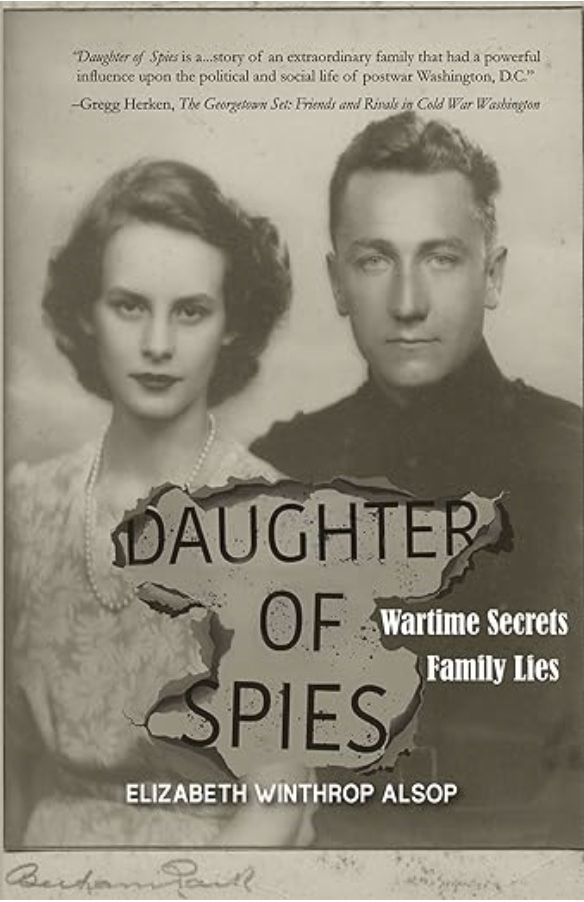
Elizabeth Winthrop Alsop’s Daughter of Spies vividly brings to life a family ensnared in historic and dramatic times. A blend of history, memoir, autobiography, and biography, the book presents a series of vignettes capturing the extraordinary professional and social life of the author’s parents. This narrative is interwoven with the poignant struggle of the author’s mother, Tish, as she battles advancing dementia in her later years.
The story centres on the author’s efforts to care for her mother while striving to preserve her family’s history before Tish’s memory fades entirely. The tale is steeped in the Roman Catholic faith, particularly during the Second World War and through the 1960s, when Winthrop illustrates how Catholics were deeply immersed in their spirituality compared to today.
One stark aspect highlighted is the prevalence of large families among Catholics and others of the time. The Church’s teaching against contraception, coupled with the lack of birth control options, often resulted in young mothers having more children than they could manage. Tish experienced twelve pregnancies, with one baby lost to sudden infant death and six surviving children, among whom the author is the sole daughter.
The book underscores what the reviewer considers an underappreciated revolution: the introduction and widespread use of birth control around 1976. This innovation profoundly changed the Western world, allowing women to engage more fully in life beyond childrearing and opening new opportunities for personal and professional development.
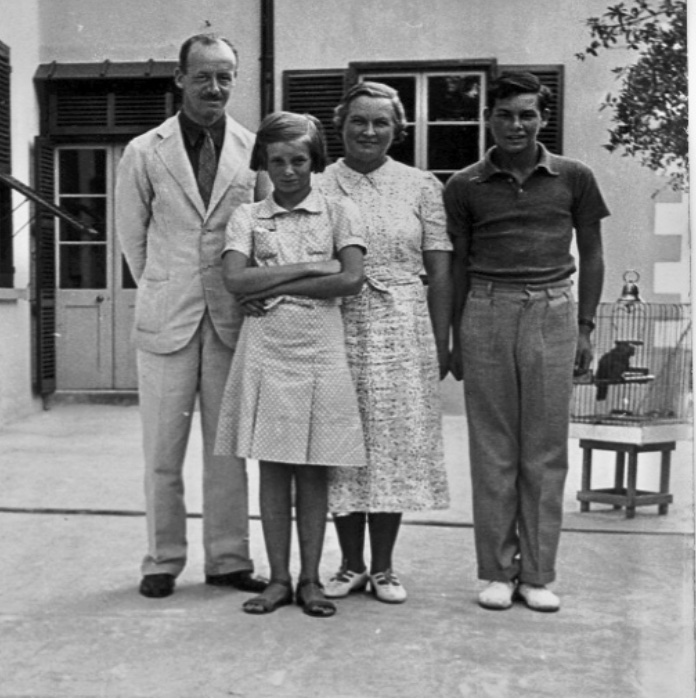
At the heart of the narrative is Patricia Hankey, later Alsop, affectionately known as Tish. Born in 1926, Tish spent her childhood in Gibraltar, a setting shaped by the Spanish Civil War and later the Second World War. Her education took her to England, where she left school at sixteen, a norm for the era. At seventeen, she secured a position with the English passport office, only to discover she had been covertly recruited as a decoder of German wartime radio intelligence for MI5. Bound by the Official Secrets Act, she took her secrets to the grave, never divulging her wartime activities.
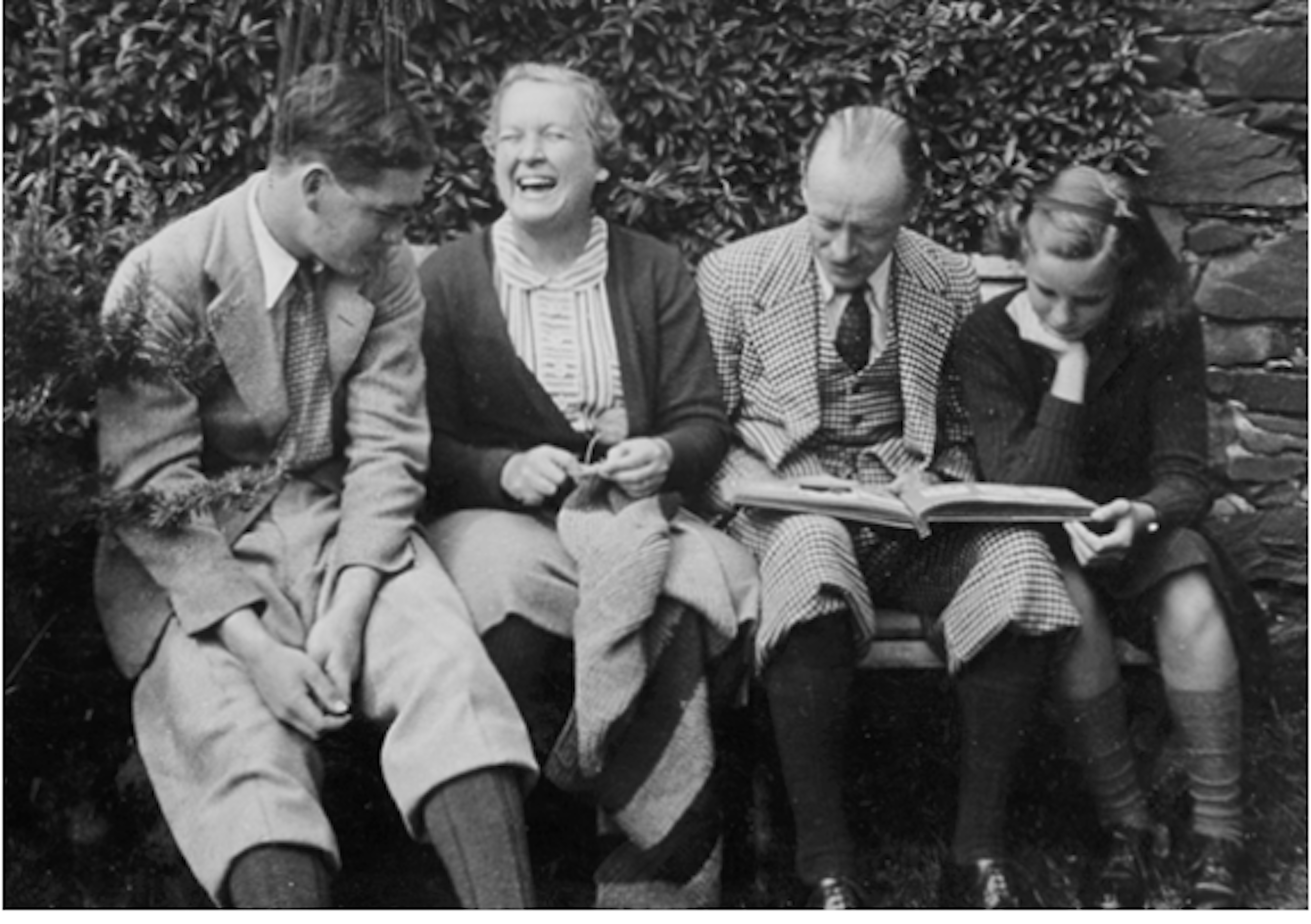
Tish’s only sibling, Ian, died in combat in Egypt, leaving her as her parents’ sole surviving child. Based on her mother’s recollections, Winthrop provides a vivid depiction of life in wartime England, marked by resilience in the face of relentless bombings, personal losses, and widespread destruction. This collective endurance forged what is often referred to as the stiff-upper-lip mentality, a cultural hallmark of the time.
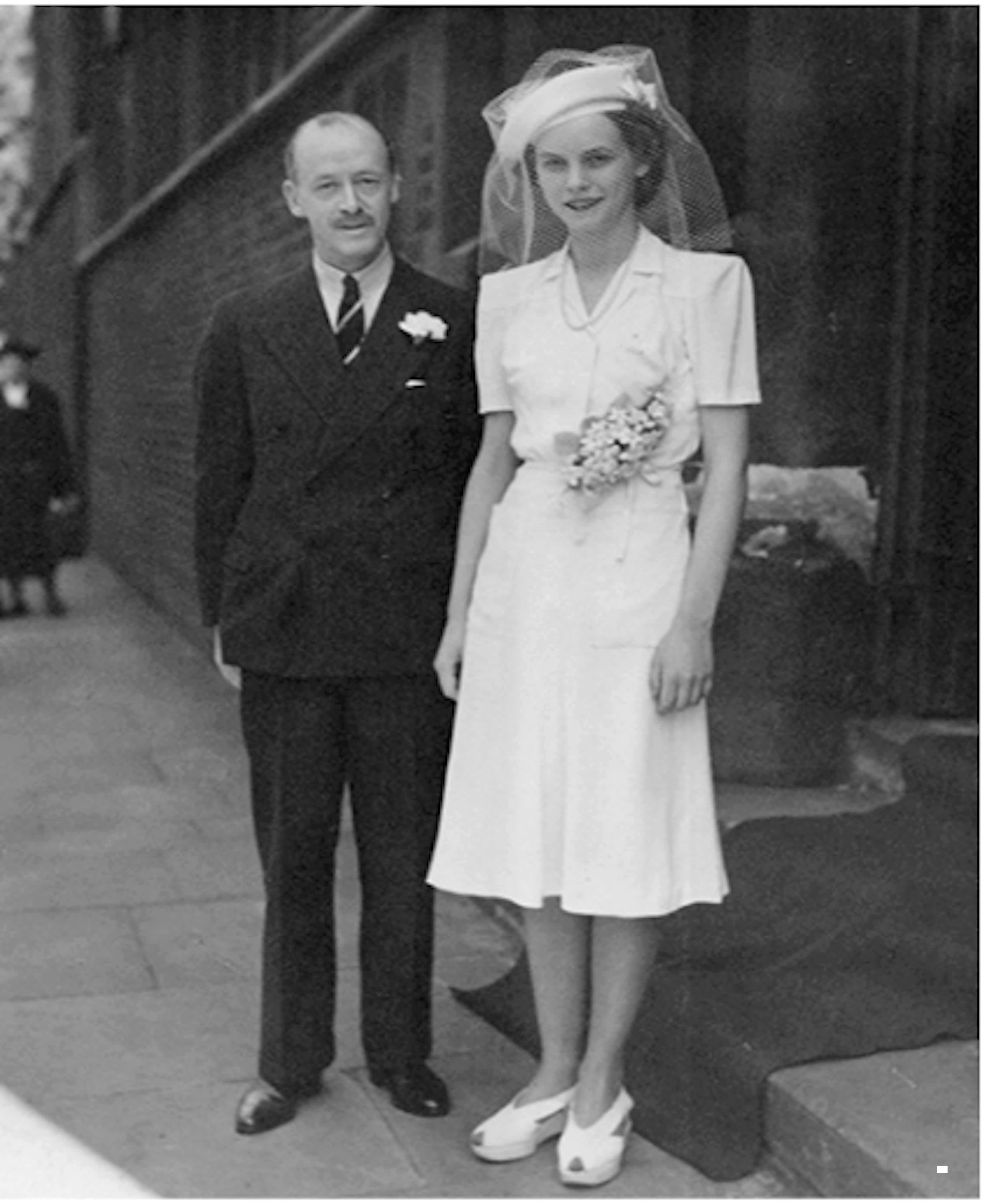
At eighteen, Tish married American soldier Stewart Alsop, who was serving with the British Army’s King’s Rifle Corps. Originally judged as not quite up to British standards of behaviour, Stewart’s status was elevated when his younger brother John arrived in England.
“… his shoes shone like mirrors,
his trousers were creased to a knife-edge,
and his manners were impeccable.”
Following their union and her migration to the USA, Tish entered the rarefied world of America’s upper class, shaped by old money and political influence. Stewart, the nephew of President Theodore Roosevelt, was deeply entrenched in American high society and espionage. During the war, he oversaw global intelligence operations for the U.S. Office of Strategic Services (OSS), lending the book its title, Daughter of Spies.
After the war, Stewart became a celebrated journalist, writing for major New York newspapers. Yet, the demands of his work, coupled with Tish’s responsibilities as a mother and societal hostess, took their toll. Their large family and Stewart’s eventual death from leukaemia at sixty left Tish facing immense personal and emotional challenges. By forty-eight, she had endured the deaths of her brother, husband, and one of her children.
The emotional austerity of the era also left its mark. Displays of affection between parents and children were rare. However, one memorable scene captures the children secretly observing their parents in a rare moment of passion, offering a glimpse into a more tender side of their relationship.

As time passed, Tish developed a reliance on alcohol, a common coping mechanism for many of her generation dealing with the stresses of family, societal expectations, and personal loss. Her later years were marked by a gradual descent into dementia, a condition poignantly chronicled by the author. Tish’s physical and mental decline—her inability to walk, eat, or engage with the world around her—is described with heartbreaking detail, culminating in her move to residential care.
I took the liberty of listing the author’s key statements as she starkly described her mother’s physical and mental decline:
She can barely walk.
She is often in pain
She cannot taste or smell.
She cannot enjoy food.
She cannot drive
She cannot play bridge.
She cannot track anything on television.
She has few visitors
She no longer wants to go to church.
She doesn’t remember her friends.
She doesn’t remember family members
She can no longer read newspapers
She can no longer read books
She cannot listen to stories.
Music agitates her,
The sun in her eyes agitate her.
She is always cold.
She is bored with her garden.
There is no joy in birds and squirrels,
She is almost incontinent
After Tish’s death, the discovery of a document detailing her private grief and resilience adds a profound layer of introspection to the narrative.
Daughter of Spies is a beautifully written and enlightening account that brings the near-historic past to life with compassion and insight. Born in 1938, this reviewer easily recalls the tragedies and challenges of the Second World War and its aftermath, finding deep resonance in the human experiences depicted.
I found this book immensely enjoyable and deeply moving. Its rich tapestry of history and humanity will stay with me for a long time.

 Dally Messenger III